
Understanding Apple Watch Bands: Materials, Styles, and Sourcing for Small Businesses
Apple Watch bands have become an essential accessory category in the global wearable market. For small businesses and independent retailers, understanding product variations and sourcing considerations is an important first step before entering this segment.
This article provides a general overview of Apple Watch band materials, common styles, and key factors to consider when sourcing for small B2B projects. The goal is to offer practical information rather than promotional recommendations.
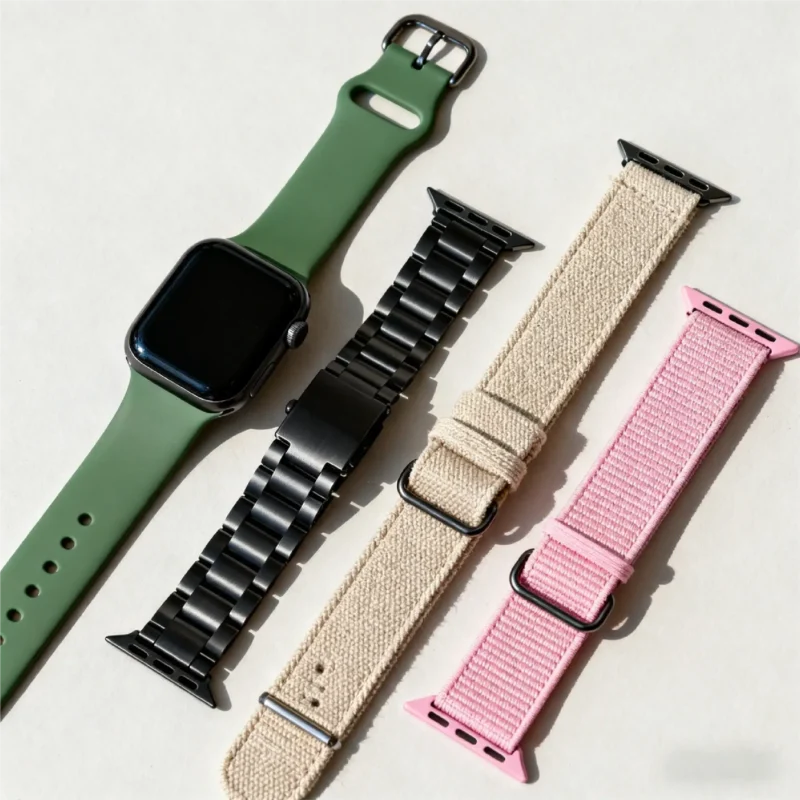
Common Materials Used in Apple Watch Bands
Different materials serve different user needs, price points, and usage scenarios. Below are some of the most commonly used materials in Apple Watch bands.
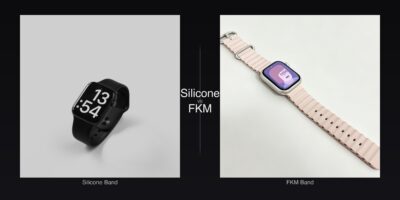
Silicone and FKM Rubber
Silicone and FKM rubber bands are widely used for sports and daily wear. These materials are valued for their flexibility, water resistance, and ease of maintenance.
They are often chosen for:
Fitness and outdoor use
Entry-level to mid-range retail positioning
Customers looking for practical and durable accessories
Leather
Leather Apple Watch bands are typically positioned as more classic or business-oriented accessories. Depending on the leather type and finishing process, they can range from casual to premium.
Key characteristics include:
Comfortable for long-term wear
Suitable for office or formal environments
Available in various textures and colors
Metal Bands
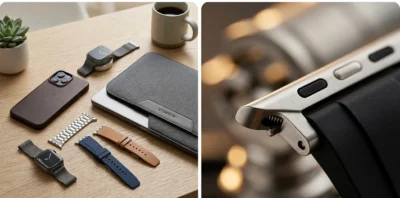
Metal bands, such as stainless steel or Milanese styles, are commonly associated with a more structured and refined appearance.
They are often selected for:
Customers seeking a heavier or premium feel
Gift-oriented or higher-value products
Compatibility with both casual and formal outfits
Nylon and Fabric
Nylon bands are lightweight and breathable, making them suitable for casual or seasonal use. They are often offered in multiple colors or woven patterns.
Apple Watch Band Styles and Compatibility
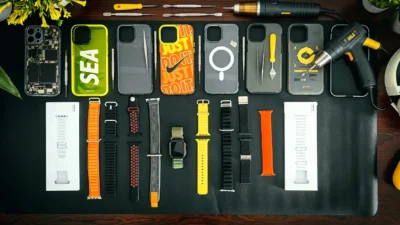
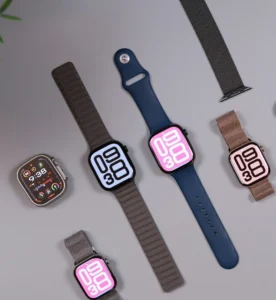
Apple Watch bands are available in a wide range of styles, including sport bands, classic leather straps, metal link bracelets, and loop designs. Compatibility is usually determined by case size (e.g., 38/40/41mm or 42/44/45/49mm), rather than by Apple Watch generation.
For small businesses, clearly understanding compatibility standards can help reduce returns and customer confusion.
Sourcing Considerations for Small B2B Buyers
When sourcing Apple Watch bands for small business projects, buyers often focus on factors beyond price alone. Common considerations include:
Consistency in material and finishing
Clear product specifications and documentation
Manageable order quantities
Stable lead times
Basic customization options if needed
For small-scale buyers, working with an experienced export partner or trading company can simplify communication and coordination, especially when dealing with multiple product variations.